

This year's edition of the festival expressed by the slogan Después de todo (After all), which encourages reflection on the place of the image in a world marked by global crises, technological revolutions, political upheavals and profound social changes. Photography is shown as an important tool of memory and defiance, an apparatus of resistance and a vehicle for critical confrontation. It is also a vision that emphasizes the documentary and creative role of photography in a context of uncertainty and constant change, reinforcing its critical and transformative power.
The festival's program of more than a hundred exhibitions, available for viewing until September 14, 2025, occupy various spaces in Madrid, as well as in many Spanish centers. The exhibitions aim to demonstrate, so strongly questioned today, the documentary and symbolic value of the image as a means of democratic memory.
Since 1998, PHotoESPAÑA has been one of the world's leading events dedicated to photography and the visual arts, with nearly 16 million visitors to the festival in its 26 years of existence and more than 1,800 exhibitions showcasing more than 4,000 artists.
For years, the works of the best national and international photographers and visual artists, as well as galleries, have been shown, while creating a new space for young artists to reach new audiences. PHotoESPAÑA is a collective project, made possible by the annual collaboration of more than 130 private and public institutions.
Of the total exhibitions, 48% are represented by women and 59% by Spanish artists. The festival emphasizes photography as a medium aware of its context and present. It reflects on the image as a witness and tool in the face of great contemporary challenges. From historical memory to new identities, it highlights the critical and transformative power of photography in times marked by uncertainty.
For the first time, PHotoESPAÑA also includes the invited country of Chile and devotes a special section to it, with exhibitions by Lotta Rosenfeld, Julia Toro, Michael Mauney and Martin Gusinde. Four creative perspectives address political dissidence, visual memory and ancestral cultures through the archives provided.
The event is being covered in the international press, The Guardian, a British daily, posted an extensive article on its pages, giving it the title: PhotoEspaña 2025: Casual Encounters and Colonial Heritage at the Spanish Festival of Photography.
The festival has strengthened its presence in the museum heart of the capital, thanks to the participation of key institutions such as the Museo Nacional del Prado and the Museo Nacional Thyssen-Bornemisza. For the first time, the Museo Nacional de Antropología and the Museo Arqueológico Nacional were included in the official section, expanding the dialogue between historical heritage and contemporary works.
The 2025 edition brings together key figures from the history and present of world photography.
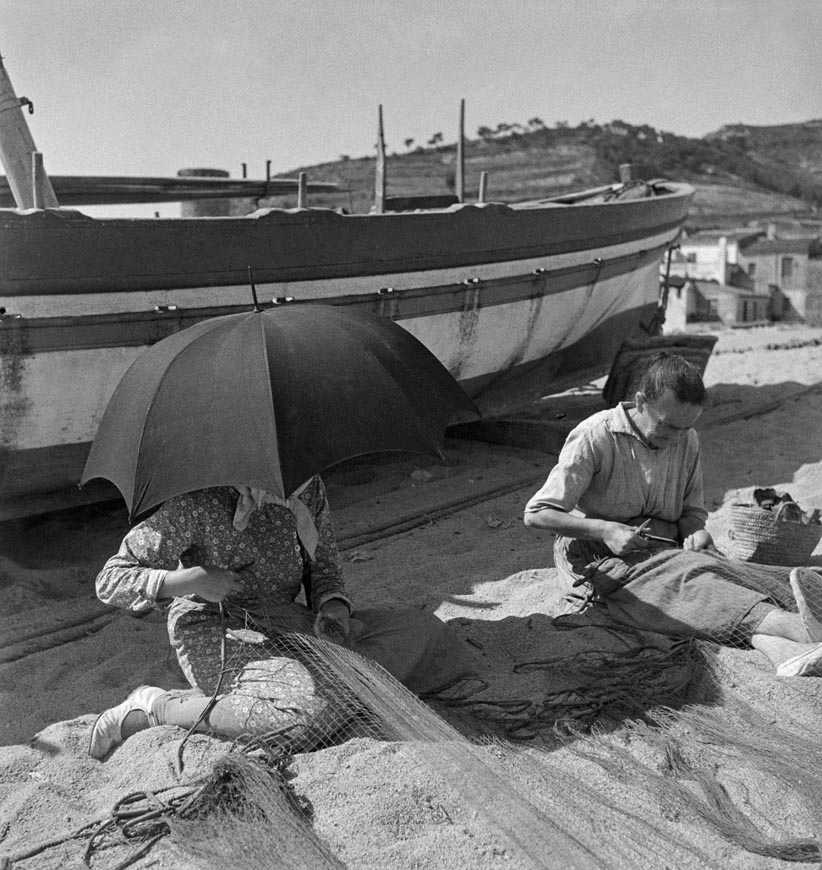
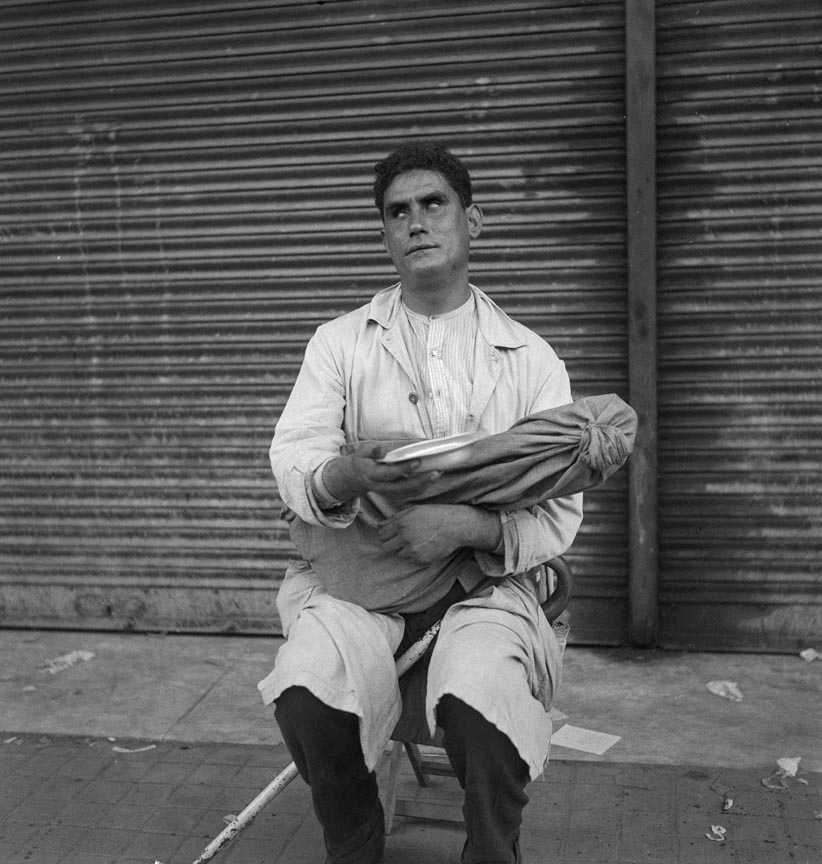
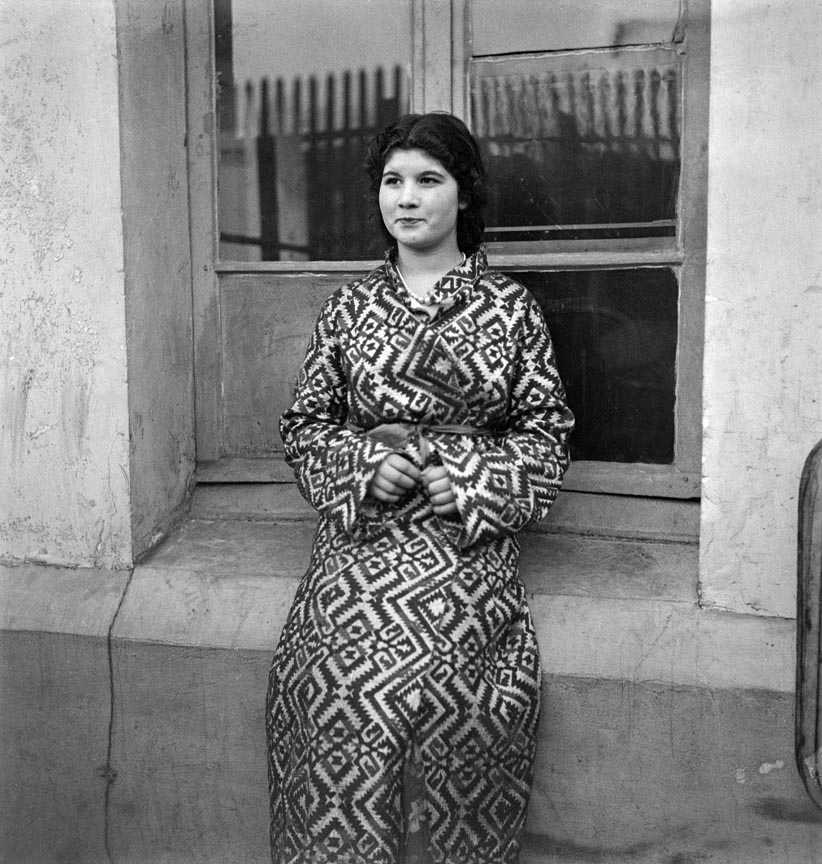
Dora Maar, is part of the PHotoESPAÑA 2025 section and is on display at the Lázaro Galdiano Museum in Madrid. The selected works from 1933-1955 rediscover a lesser-known side of Dora Maar, focusing on street photography and a series of previously unpublished drawings, revealing a versatile artist who documented life with unique sensitivity. A selection of figural and abstract drawings, made on paper or in notebooks, also testifies to Maar's versatile vision of everyday life shown realistically. The world audience knows and admires her surrealist photographs from the 1930s. However, this exhibition focuses mainly on street photography and presents relatively little-known drawings from a short but rich period in her long career. An artist in her own right, Dora Maar has worked in photography, drawing, writing, collage making and painting.
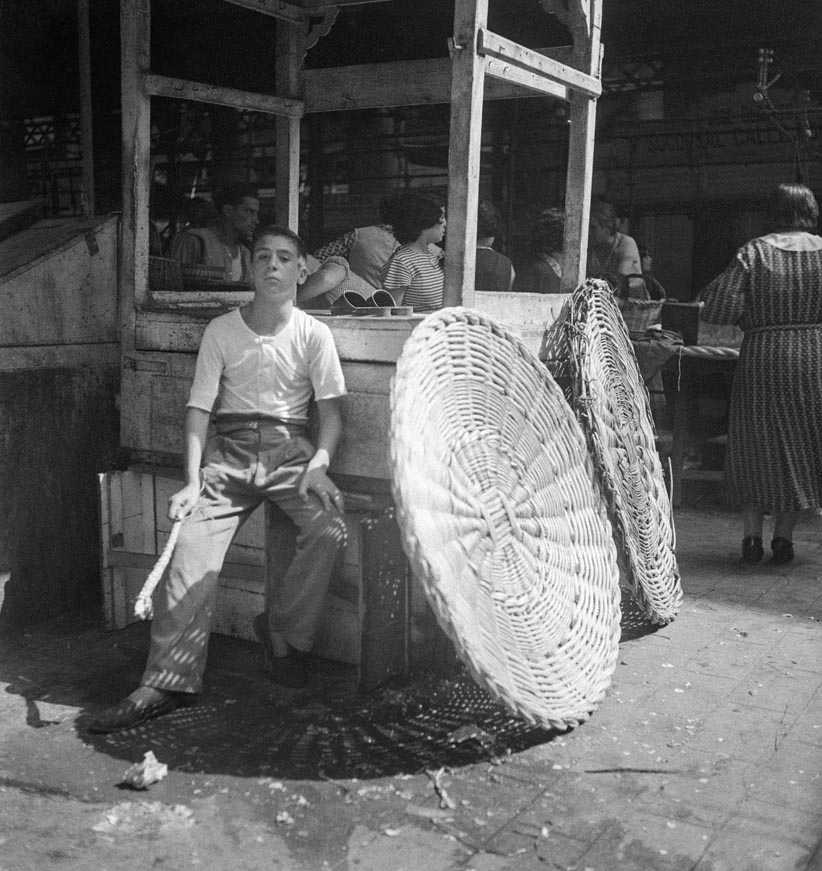
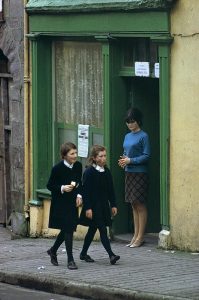
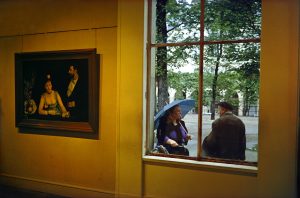
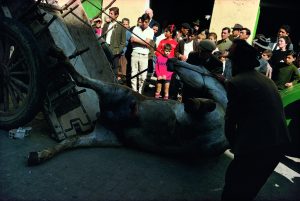
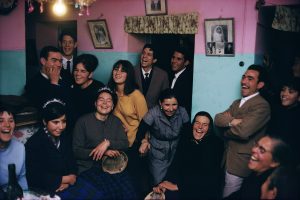
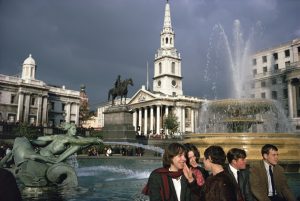
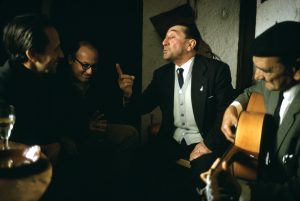
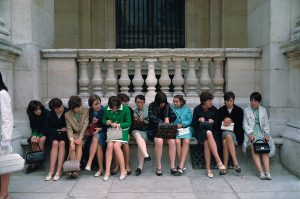
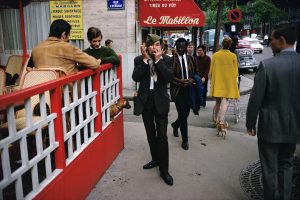
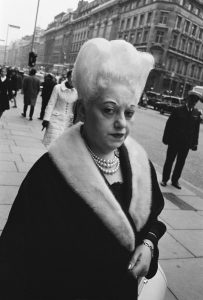
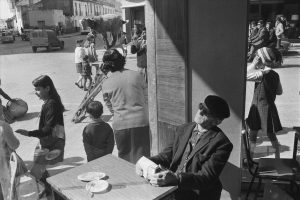
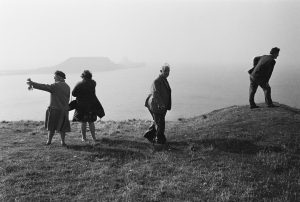
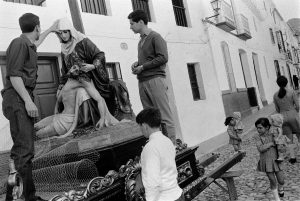
An exhibition by the famous American photographer Joel Meyerowitz entitled Europe 1966-1967 is on display at the Fernán Gómez Theater at the Centro Cultural de la Villa in Madrid. It collects large-format prints from the era, from 1966-1968, featuring portraits, city scenes and landscapes from ten countries. It features original photographs from his first exhibition at MoMA, showing the impact of this trip on his revolutionary photographic style. In 1966, at the age of twenty-eight, he embarked on a year-long tour of Europe. He traveled more than 30,000 kilometers, visiting ten countries and taking some 25,000 photographs. During this time, he lived in Malaga for six months and befriended the Escalonas family, one of the traditional families involved in flamenco dancing.
This unique experience, which resulted in a remarkable photographic record of Spain during Franco's dictatorship, had a profound impact on Meyerowitz and permanently influenced his distinctive photographic style. Today, the American photographer is recognized as one of the most outstanding photographers of his generation, who redefined the way he captured and communicated reality with his camera. Upon his return to New York, in 1968, he held his first solo exhibition at MoMA, which featured forty photographs taken from the window of a car while traveling in Europe. His style at the time is characterized by a specific framing, juxtaposition of different fragments of the street being photographed, transferring the scenery of life to a new place - the street of a big city.
The festival program thus offers a journey through different eras, styles and perspectives, combining the visual memory of the past with the latest practices.
PHotoESPAÑA 2025 celebrates the richness and diversity of international photography from countries such as Chile, Germany, Poland, France, Mexico, Lebanon, China, USA, Portugal, Colombia, Czech Republic, presenting artists representing different generations and styles, including Julia Margaret Cameron, Dora Maar, Ruth Orkin and Edward Weston, to contemporary authors such as Duane Michals, Joel Meyerowitz, Graciela Iturbide and Ayana V. Jackson.
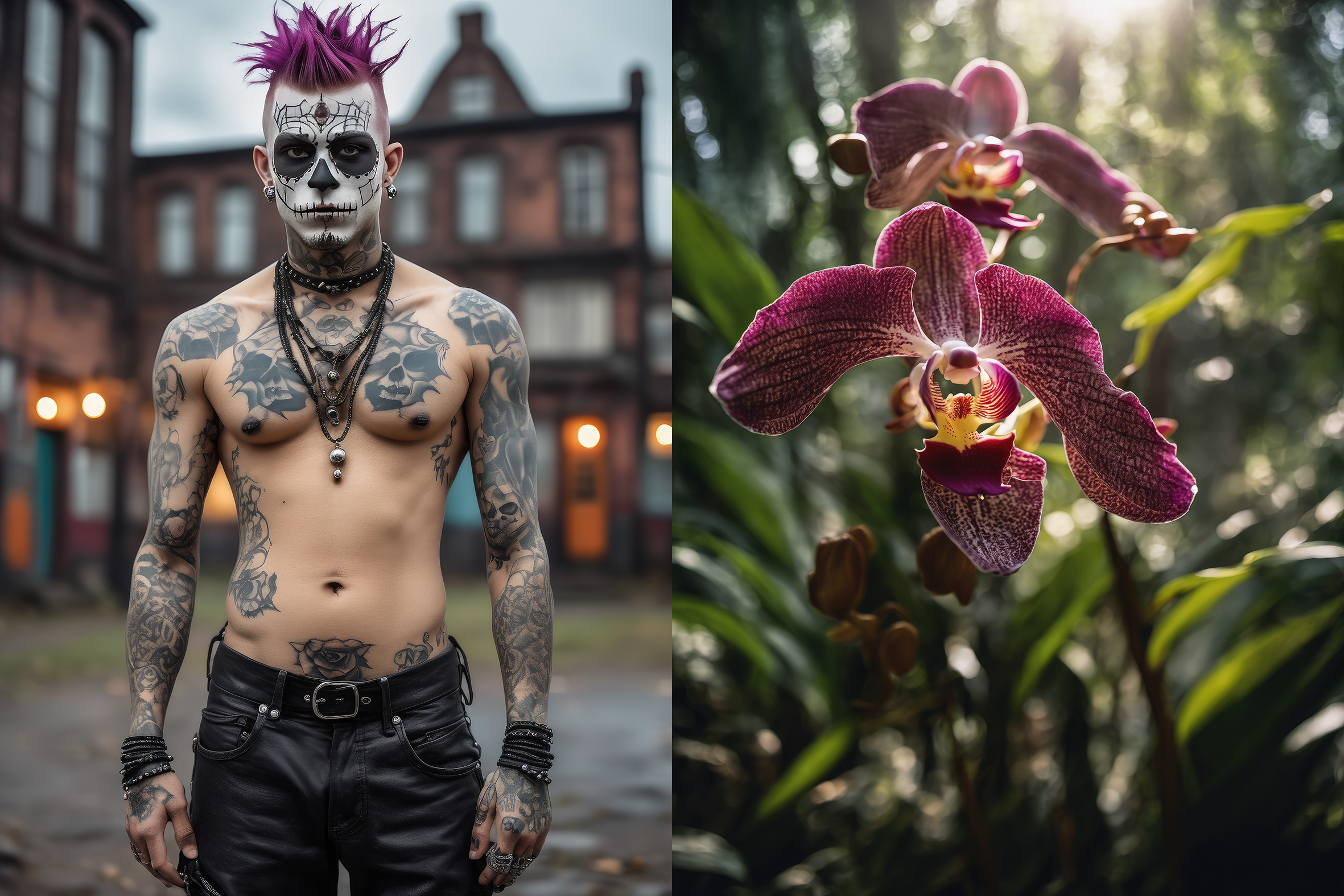
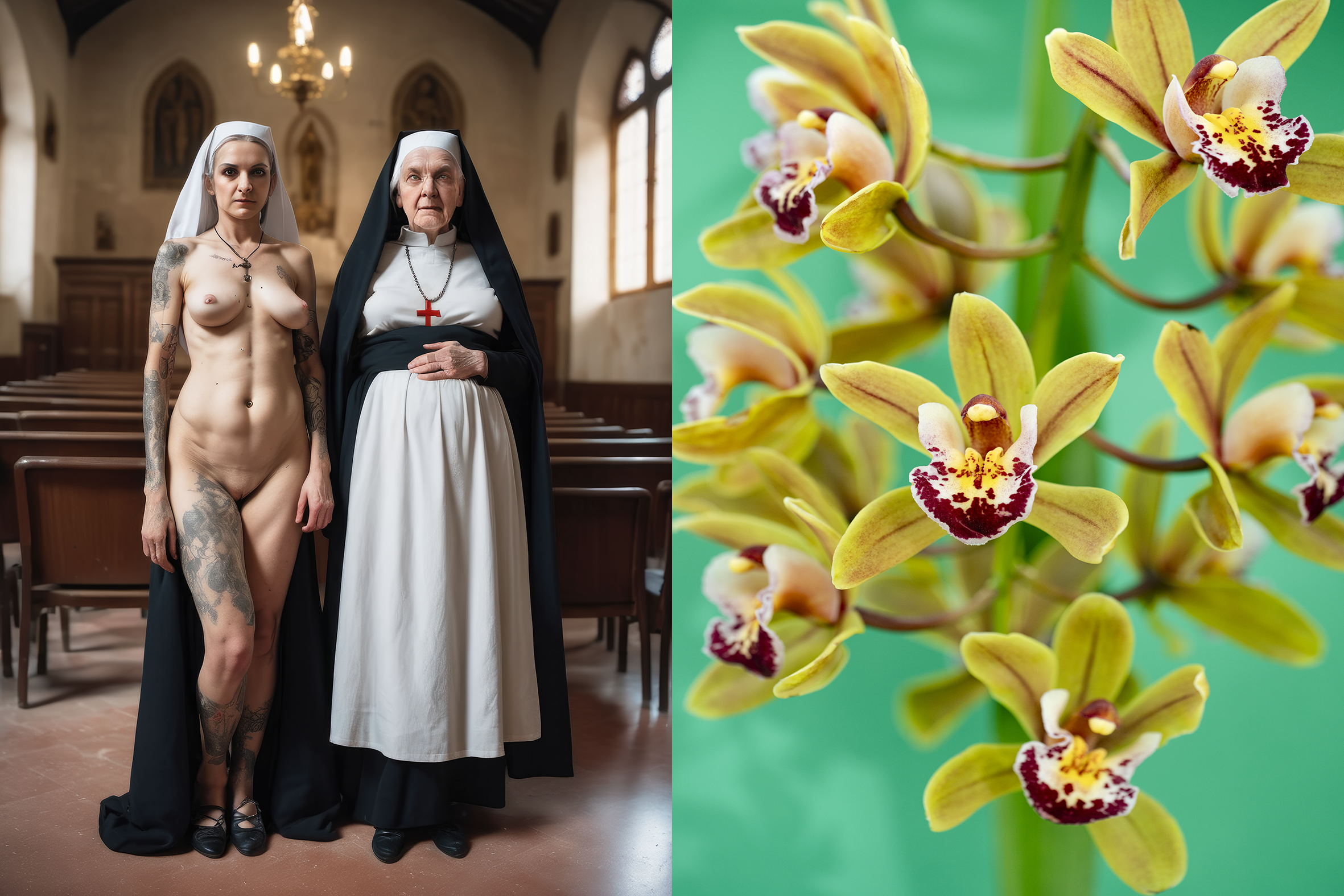
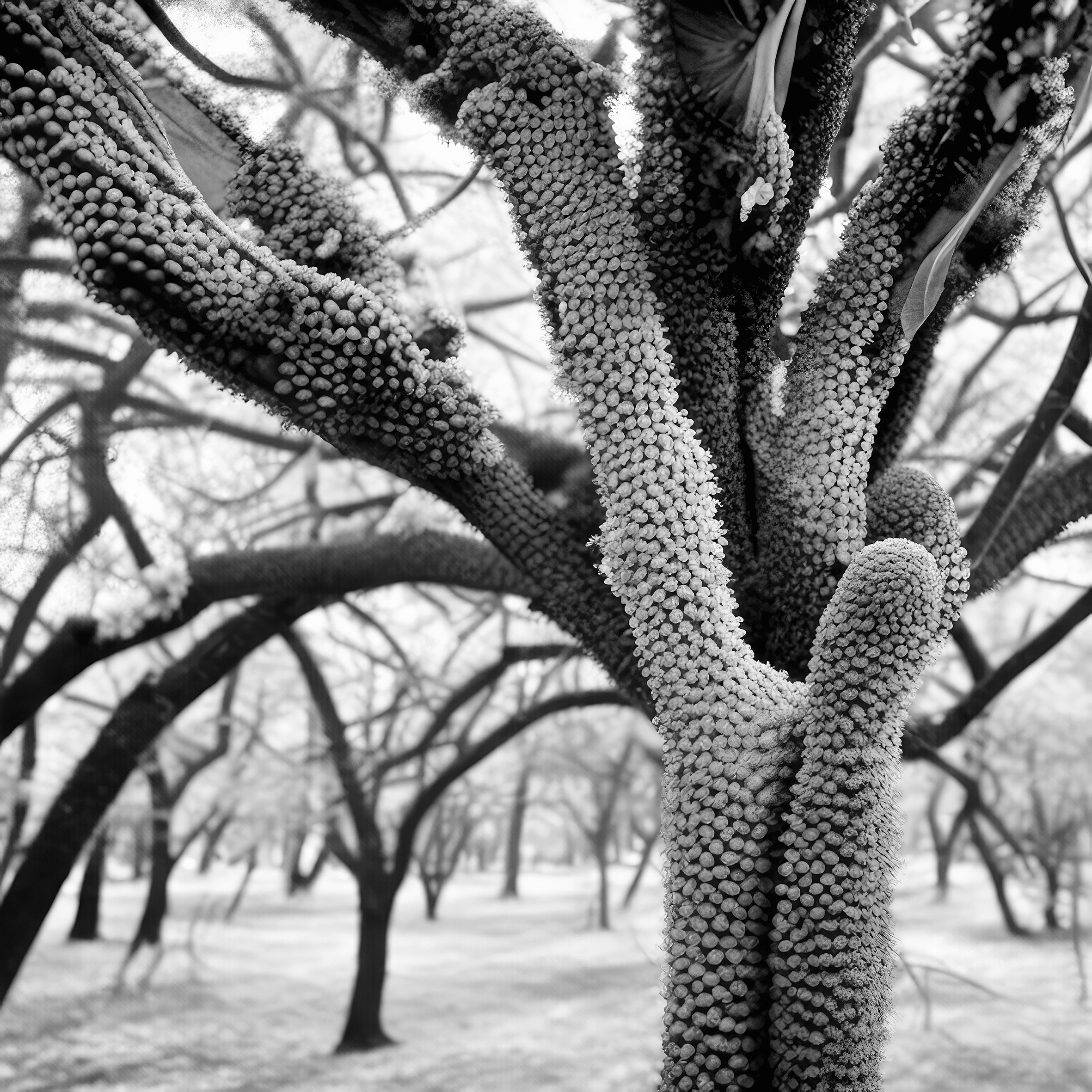
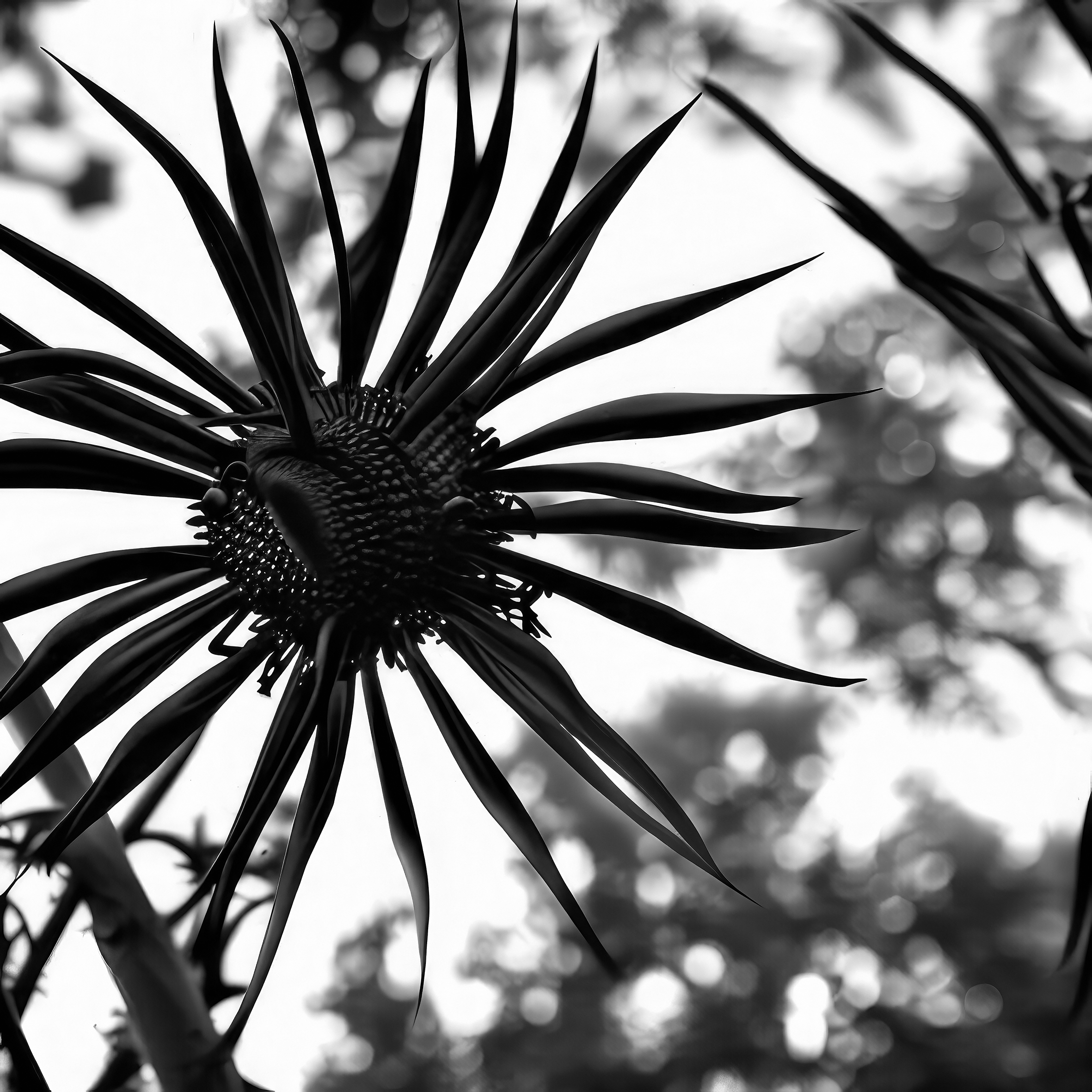
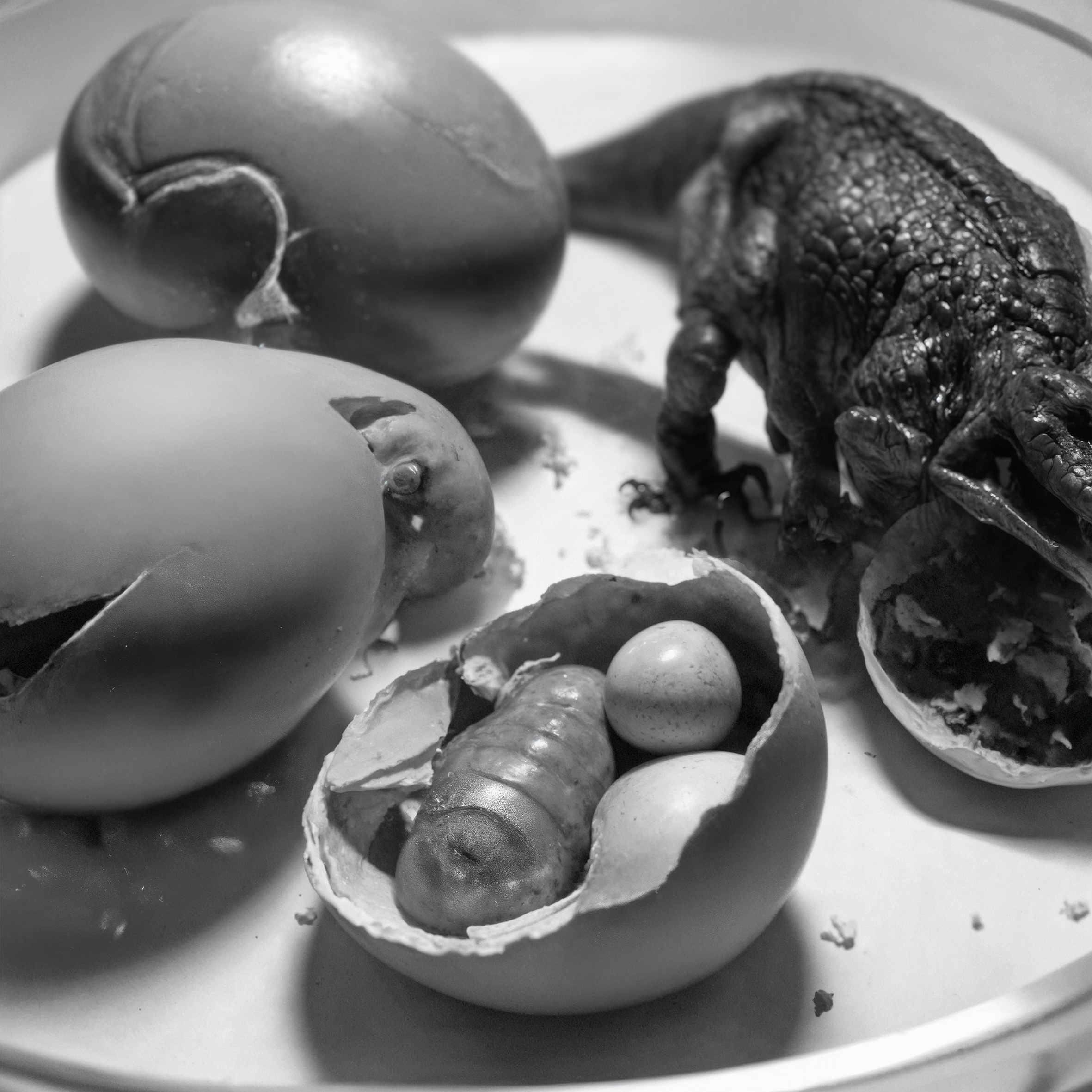
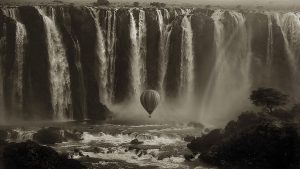
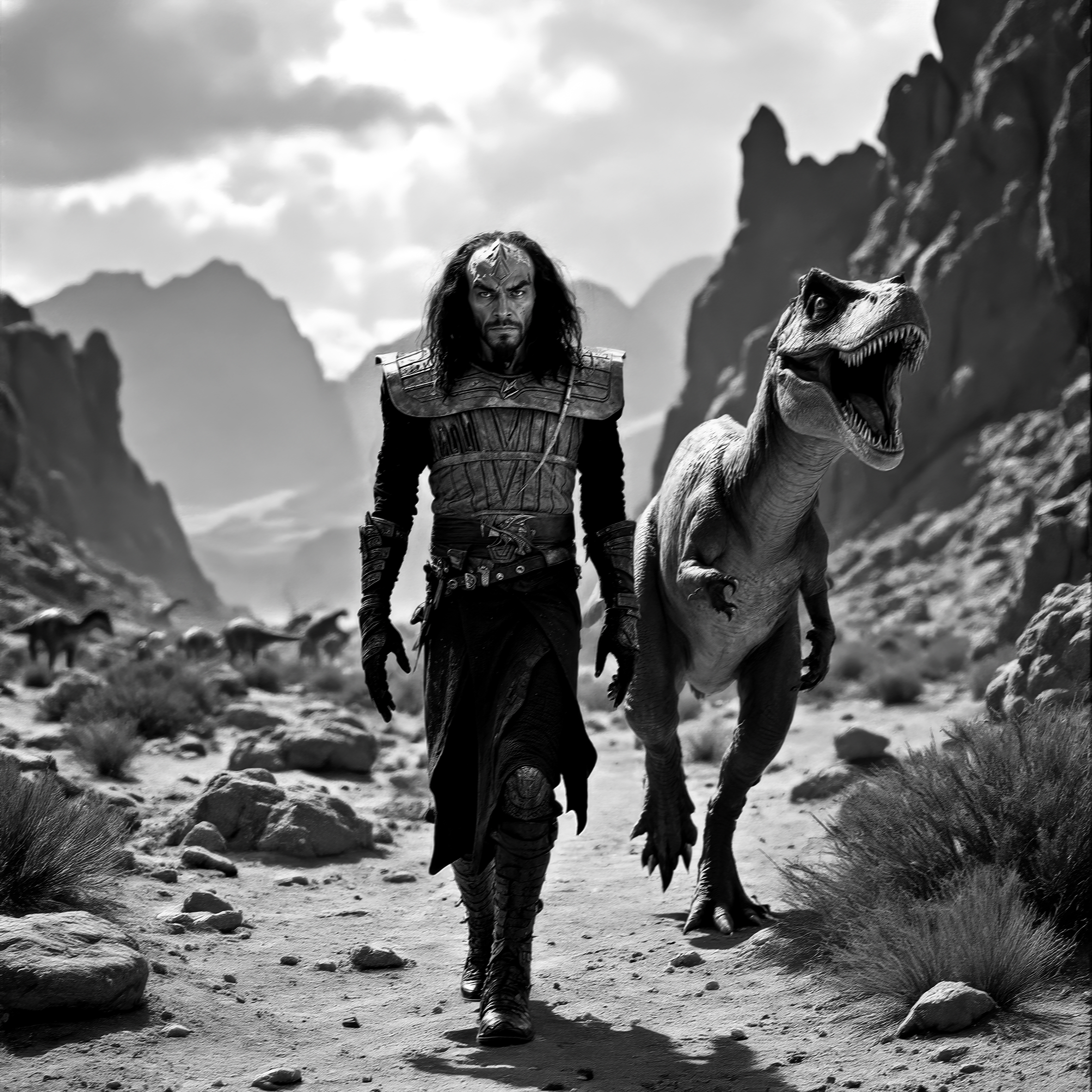
Very well-known Spanish photographer Joan Fontcuberta, an artist, essayist, art critic and visual artist in one person, has transformed the interior of the Naves de Gamazo palace with fantastic creatures generated by artificial intelligence.
The exhibition MIRABILIA presents recent works, many of them unknown, which are a general reflection on image, nature and fiction in the age of artificial intelligence. This exhibition is in contrast to the festival's main program. Created specifically for this unique space, the exhibition establishes an unusual yet provocative dialogue between the forms of visual imaging past and the technologies of today. On the main floor of the Fontcuberta Palace (Barcelona 1955), it presents a new series devoted to imaginary dinosaurs. The extinct creatures, which we have never seen, but which paleontology has reconstructed on the basis of scientific hypotheses, occupy former aristocratic rooms, which has its own symbolic dimension. These improbable figures with anthropomorphic features simultaneously disturb and fascinate, creating a visual break with the classical environment in which they are placed.
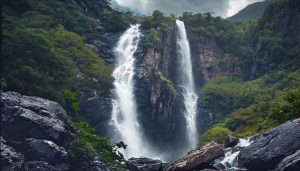
On the first floor is an overview of his latest projects: De Rerum Natura, Orquídeas y Macarras, Génesis.IA, Viajes. Fontcuberta explores the representation of nature through visual narratives created with generative artificial intelligence systems. The result is a play of mirrors between word and image, truth and simulation, poetry and criticism. The expressions are imaginative works, absurd but also lined with irony. Fontcuberta, questions the status of the photographic image, including its truth, power and manipulation. At a time of imaging saturation with visual stimuli, his work sets off a kind of visual alarm, in the face of their excess, and invites us to look again, critically.
Once again, PHotoESPAÑA was transformed into a vibrant photographic space that explores the image as a tool of protest, memory and change. Under the banner of Después de todo The festival invites us to reflect on the transformative power of photography. Other important exhibitions shown outside Madrid include: Valencia, Segovia, Zaragoza, Barcelona, Alcalá de Henares, Toro, Santander.
Many exhibitions confirm the documentary and symbolic value of the image as the raw material of democratic memory, which emerges from the pain of the past, recalling time and presenting new forms of existence.