Gratulujemy Fundacji Pix.house dziesięciolecia działalności! To wyjątkowa okazja, by uważnie spojrzeć na dorobek tej poznańskiej fundacji, która od lat wyznacza kierunek rozwoju fotografii dokumentalnej w Polsce – zarówno w jej klasycznym, jak i eksperymentalnym wydaniu. Pix.house to także jedno z nielicznych miejsc w kraju, które konsekwentnie rozwija kulturę photobooka, wydając autorskie albumy fotograficzne oraz popularyzując książkę jako medium opowieści wizualnej.
Za jubileuszowym programem – odbywającym się pod hasłem „Dokument tożsamości” – stoi zespół (Team kuratorski i projektowy), który od lat współtworzy działania fundacji: Michał Adamski, Andrzej Dobosz, Mariusz Forecki, Katarzyna Grażewicz, Anna Molter, Grażyna Siedlecka, Adrian Wykrota
W KF 50 znajduje się materiał na temat jubileuszu 10. rocznicy istnienia poznańskiej Fundacji Pix.House. A na tej stronie znajdziesz pełniejsze rozwinięcie tego materiału: listę autorów i autorek, zestawienie wystaw, cytaty z manifestu, oraz (jeśli jesteś tu z papieru) – więcej zdjęć lub inne, które nie zmieściły się w druku.
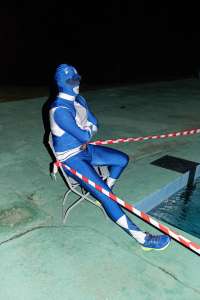
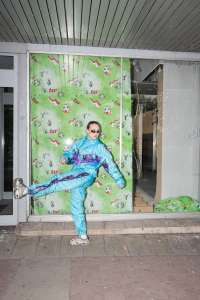
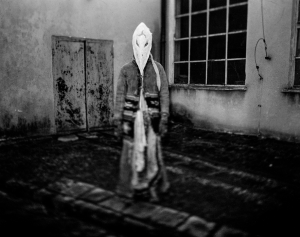
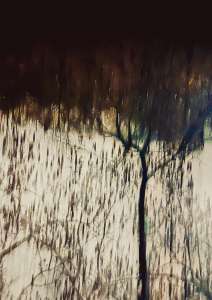
Marek Kita, z cyklu It’s not even my final form
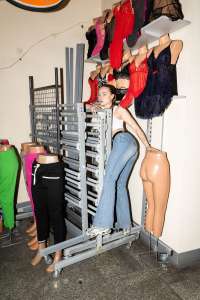
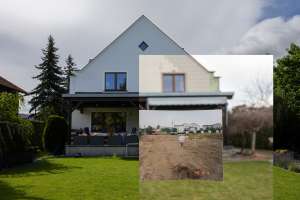
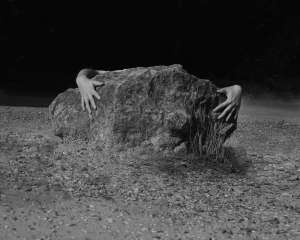
Małgorzata Smieszek, Ciężko dziś jest trochę
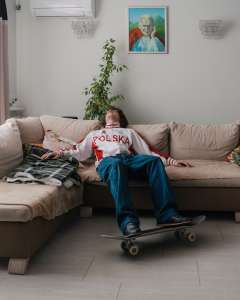
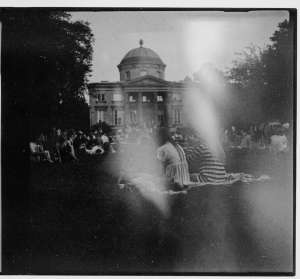
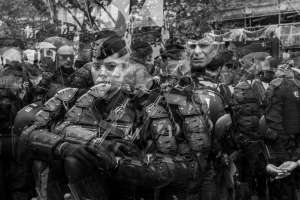
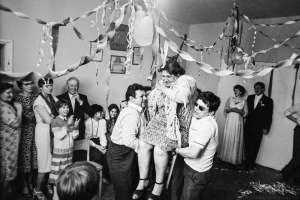
Jadwiga Janowska, Bohaterowie narodu
Jadwiga Janowska, Bohaterowie narodu
Jadwiga Janowska, Bohaterowie narodu
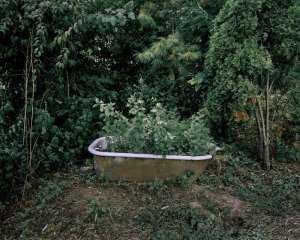
The Gardener / New York /A bath tab often used for gardening, here in New York. / 08.2013RESTRICTION: The photos can not be published before 24th of May 2015In New York’s low incomes communities of Brooklyn and Bronx, urban farming has quite structured form. The empty areas are willingly made available to the urban farmers by the city council and turn in to gardens with number of plots. Recently the authorities recognised the farming activity as one of the important factor playing for the gentrification of the “bad neighbourhoods”. Surprisingly not only the recreation purpose makes the New Yorkers to garden. In fact some parts of the city are so cold “Food deserts” where the healthy food is not available within walking distance. In such situation farming that brings fresh vegetables becomes a natural solution specially to those who came to New York from the rural areas and know how to farm.Urban farming has a long established tradition in history of human beings. In the times of prosperity it is regarded more as leisure activity. It develops and intensifies in times of food crisis. Today the healthy food shortages become a global problem. It touches low-income communities of both developing and developed world. The city dwellers uses all kind of reused materials in order to build the farming sights. They arrange the little peaces of land available to them according to their creativity and imagination creating the modern urban gardens.The story on urban Farming in New York is a part of The Gardener project. The Gardener is a winning commission of the Syngenta Photography Award 2013. The photographs of urban gardens were taken by Jan Brykczynski thought 2013 and 2014 in New York, Nairobi, Warsaw and Yerevan. The Gardener is also a book to be launched on May 23rd 2015. Publisher is Dewi Lewis Publishing.
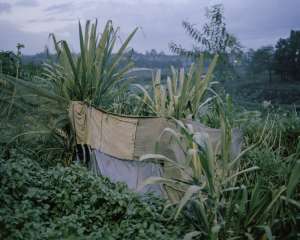
The Gardener / Nairobi, Kenya / Garden’s fences in the slum of Mathare. / 08.2013RESTRICTION: The photos can not be published before 24th of May 2015Farming in Nairobi plays a very important role in households of many families. For most of them it provides the fresh vegetables – a source of daily need for vitamins. For some it becomes source of income and a way of life. Specially the vulnerable community of numerous Nairobi slums like Kibera and Mathare get more and more involved in gardening activities seeing it as an opportunity. They arrange the little gardens on every available peace of land, that is never their property and as all other structures in the slum has a very temporary construction.Urban farming has a long established tradition in history of human beings. In the times of prosperity it is regarded more as leisure activity. It develops and intensifies in times of food crisis. Today the healthy food shortages become a global problem. It touches low-income communities of both developing and developed world. The city dwellers uses all kind of reused materials in order to build the farming sights. They arrange the little peaces of land available to them according to their creativity and imagination creating the modern urban gardens.The story on urban Farming in Nairobi is a part of The Gardener project. The Gardener is a winning commission of the Syngenta Photography Award 2013. The photographs of urban gardens were taken by Jan Brykczynski thought thought 2013 and 2014 in New York, Nairobi, Warsaw and Yerevan.The Gardener is also a book to be launched on May 23rd 2015. Publisher is Dewi Lewis Publishing.
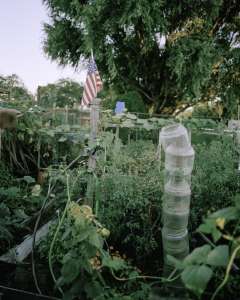
The Gardener / New York / Loyd Bennett Field ⎯ New York's first airport and the nation's most important one during WWII Most of the 500 plots, which make Floyd Bennett Field the largest community garden on the East Coast, are leased and well cared for. This quilt of small parcels displays endless variations on the theme of domesticated nature, from the romantic to the strictly utilitarian, from the exuberant to the tightly controlled. / 08.2013RESTRICTION: The photos can not be published before 24th of May 2015In New York’s low incomes communities of Brooklyn and Bronx, urban farming has quite structured form. The empty areas are willingly made available to the urban farmers by the city council and turn in to gardens with number of plots. Recently the authorities recognised the farming activity as one of the important factor playing for the gentrification of the “bad neighbourhoods”. Surprisingly not only the recreation purpose makes the New Yorkers to garden. In fact some parts of the city are so cold “Food deserts” where the healthy food is not available within walking distance. In such situation farming that brings fresh vegetables becomes a natural solution specially to those who came to New York from the rural areas and know how to farm.Urban farming has a long established tradition in history of human beings. In the times of prosperity it is regarded more as leisure activity. It develops and intensifies in times of food crisis. Today the healthy food shortages become a global problem. It touches low-income communities of both developing and developed world. The city dwellers uses all kind of reused materials in order to build the farming sights. They arrange the little peaces of land available to them according to their creativity and imagination creating the modern urban gardens.The story on urban Farming in New York is a part of The Gardener project. The Gardener is a winning commission of the Syngenta Photography Award 2013. The pho
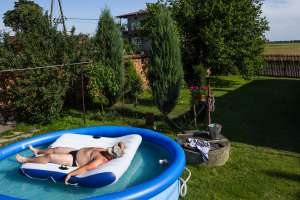
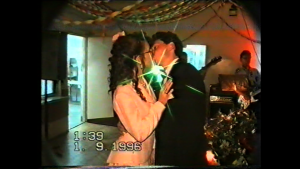
Paweł Piotrowski, Piotr, my mom's brother, relaxes in the pool on a Sunday afternoon after a week of work.
Aleksandra Śmigielska, 10. rocznica Pix.Haus, slajdshow
Emilia Martin, 10. rocznica Pix.Haus, slajdshow
Rafal Wakiera, 10. rocznica Pix.Haus, slajdshow
Z okazji 10-lecia, pod hasłem „Dokument tożsamości”, Pix.house zaprosiło do wspólnego świętowania poprzez cykl wystaw, spotkań, rezydencję artystyczną, pokaz slajdów w przestrzeni miejskiej oraz otwarcie nowej siedziby. Wydarzenia odbywały się w dniach 19–21 września 2025 (choć część wystaw trwa dłużej).
Wystawy – sześć różnych perspektyw
W jubileuszowym programie znalazły się wystawy fotografii poruszające bardzo różne wątki – od intymnych relacji po społeczno-polityczne komentarze:
Jan Brykczyński – The Gardener – Pix.house – 19.09–31.10.2025
Władysław Nielipiński – JA JESTEM TWOJE SŁOŃCE – WBPiCAK + DOMIE – 19.09–23.10.2025
Kolektyw Pix.house – Photobook: niedopowiedziane medium – Bałtyk – 19.09–19.10.2025
Marek Kita – It’s not even my final form – Wolny Dziedziniec – 16.09–15.10.2025
Małgorzata Smieszek – Ciężko dziś jest trochę – Rynek Łazarski – 16.09–15.10.2025
„Hasło, wokół którego zbudowany jest program urodzin, towarzyszy nam nieprzerwanie od dziesięciu lat. Za pomocą fotografii przyglądamy się temu, jak się zmieniamy, jak zmienia się świat wokół nas i w jaki sposób przebiega ten nieuchronny proces dojrzewania.” — manifest Pix.house DOKUMENT TOŻSAMOŚCI
„Dokument tożsamości” – to spójna koncepcja, która scala działania edukacyjne, artystyczne i społeczne fundacji. A jubileusz był doskonałą okazją, by spojrzeć na nią z perspektywy dekady pracy.
Pokaz slajdów – w przestrzeni miejskiej
Było to symboliczne podsumowanie działań edukacyjnych Pix.house na przestrzeni lat.
Prezentacja objęła fotografie uczestników i uczestniczek trzech projektów:
Talent Roku:
Jakub Szachnowski, Emilia Martin, Kamil Śleszyński, Alicja Wróblewska, Marta Szymanowska, Jadwiga Janowska, Paweł Starzec, Paweł Piotrowski
Szkoła Dokumentu:
Małgorzata Smieszek, Adam Kacperkiewicz, Rafał Wakiera, Małgorzata Adamczyk, Konrad Baranowski
Mój Fyrtel:
Marta Wojnarowska, Agnieszka Wanat, Amadeusz Świerk, Jakub Nowaczyk, Mikołaj Konkiewicz, Justyna Lichota, Michał Wojciechowski, Aleksandra Mrówczyńska, Sara Wojciechowska, Aleksandra Śmigielska
Marta Wojnarowska x 4 z projektu: Niezapominajki zakwitają w styczniu
Zajrzyj też na stronę Pix.house
Dodatkowe materiały, archiwum i informacje o projektach znajdziesz tutaj: ? pix.house/xurodziny